Cracker Homes on the Homestead
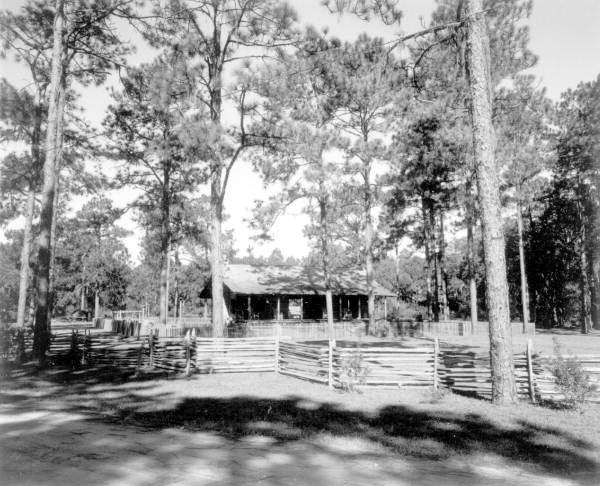 When Florida was acquired from Spain in 1821, waves of settlers from Georgia and the Carolinas began migrating south. Among the structures they built were the iconic Cracker houses, which first appeared during this period and became widespread from the 1840s to the 1920s.
Many design elements of these historic homes have stood the test of time and continue to influence modern architecture. Here are some of the defining features of Cracker houses:
- Wood Frame Construction: Cracker homes were built using wood frames, with pine and cypress being the most popular choices. The availability of materials often dictated the type of wood used. Cypress was especially prized for its resistance to termites and water damage. Cedar and red cedar also became common once railroads made transporting lumber easier.
- Raised Foundations: Homes were elevated off the ground to improve ventilation and keep the floors dry—key adaptations for Florida’s humid climate.
- Ventilation Features: In a region where airflow was essential, Cracker houses incorporated the “dog trot” design—a breezeway running from the front to the back of the house, open at both ends to promote natural cooling.
- Separate Structures: These homesteads often included multiple outbuildings, such as an outdoor kitchen, outhouse, corn crib, smokehouse, primitive barn, well, tool shed, and even cane grinders or syrup boiling kettles for agriculture.
- Distinctive Roofs and Porches: Most Cracker homes featured durable metal roofs and expansive front porches, often wrapping around part or all of the house. These porches served as shaded, breezy spaces for relaxation and socializing.
The size and comfort of Cracker homes varied widely, reflecting the social and economic status of their owners—whether they were humble field hands, sharecroppers, cowhunters, or wealthy cattle and citrus barons.
(Photo Credit: State Archives of Florida/Holland)